Walk into any restaurant and you’ll see it, if you know where to look.
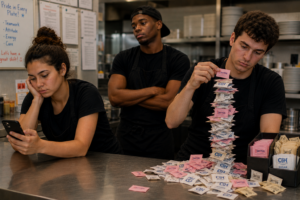
A server clearing plates with untouched sides. A line cook working around a prep process that slows everything down. A cashier answering the same guest question again and again. These aren’t isolated moments. They’re signals. And behind each one is insight that most operators are missing.
Your team knows what guests want but aren’t getting. They know what guests are getting but don’t actually want, sometimes literally what’s ending up in the trash. They see where time is being wasted, where friction builds, and where the experience falls short. The issue isn’t whether that insight exists. It’s whether anyone is asking for it.
In the restaurant industry, we’re trained to lead by directing. We train, correct, reinforce standards, and push execution. That’s part of the job. But when leadership becomes a one-way conversation, we cut ourselves off from one of the most valuable resources in the building: the perspective of the people closest to the guest.
I learned this the hard way running my own Edible Arrangements franchises. Like most operators, I thought my role was to have the answers. When things weren’t working, I doubled down on direction. More clarity. More accountability. More control. But the more I pushed, the more I realized something wasn’t clicking. It wasn’t until I changed the questions I was asking that things started to shift.
Instead of asking, “Why aren’t they doing it right?” I started asking, “What are they seeing that I’m not?” That one shift opened up a completely different level of awareness. What I found was that my team had been sitting on valuable information all along.
One employee pointed out something I had completely missed in our selling process. When customers ordered arrangements, we would often ask if they wanted strawberries dipped in chocolate, and then follow it up by asking if they wanted to dip all of the strawberries or only half of them. It sounded helpful. It felt like we were giving them a cheaper option.
But in reality, we were downselling.
She noticed that most customers weren’t asking for half. They weren’t price-sensitive in that moment. They were buying a gift. When given the option, many defaulted to “half” simply because we suggested it. When we stopped leading with that and instead framed it around dipping all the strawberries, most customers said yes without hesitation.
Same product. Same customer. Just a different framing that came from a frontline observation. That small shift increased average ticket size in a way no promotion or campaign had.
We saw a similar kind of insight on the operations side, not about changing the system, but about fine-tuning how we executed it.
At one point, we were discarding more chocolate than I liked at the end of the day. I had written it off as part of the process until one of my team members pointed out that we were melting more than we actually needed, especially during slower periods. Her suggestion was simple: prepare smaller batches and refill based on real demand instead of anticipated demand.
Nothing about the product changed. Nothing about the brand standards changed. We just became more intentional about timing and volume, and waste dropped immediately.
What struck me most was how obvious it was once she said it. It’s the kind of thing I should have seen. But I didn’t.
It was one of many small nuances my team caught that I missed, simply because they were closer to the work. And it made me realize how many of those insights never get shared at all, because most employees won’t point them out unless they’re asked.
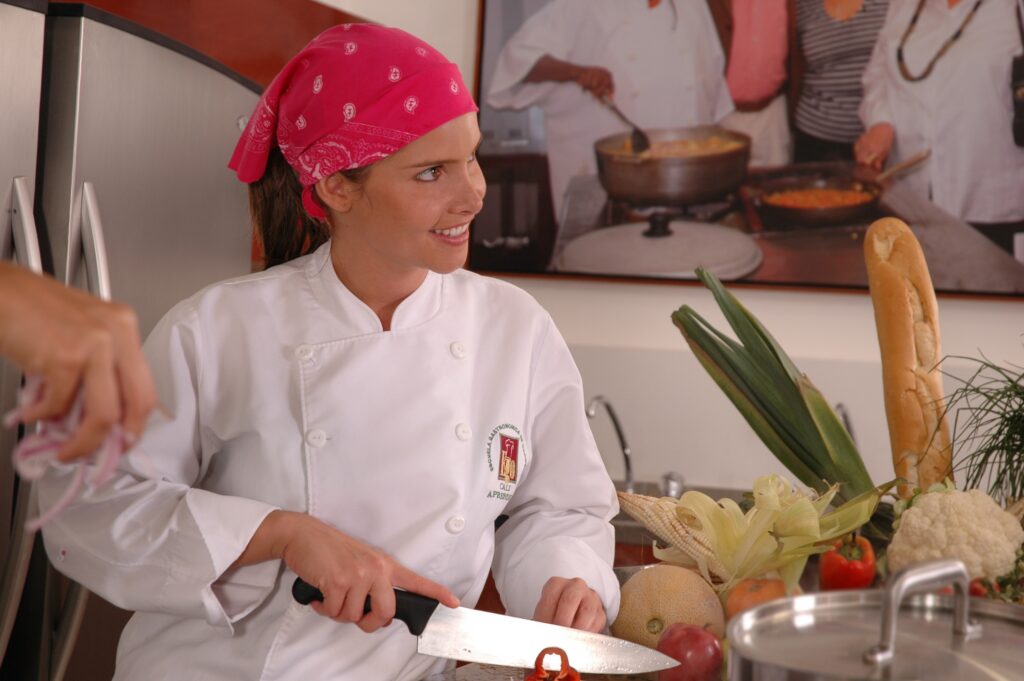
Your frontline team operates as a real-time feedback engine. Every shift, they’re running dozens, if not hundreds, of micro-experiences with your guests. They see hesitation when someone orders. They hear the same questions repeated. They notice what gets modified, sent back, or ignored altogether. They feel where the pressure builds during a rush and where the system starts to break.
And yet many organizations spend more time analyzing dashboards than listening to the people generating the experience behind those numbers. Data tells you what is happening. Your team can tell you why.
I was reminded of this recently at the International Franchise Association Convention, where Kat Cole shared how she helped elevate Cinnabon during a difficult period. What stood out was not a bold new strategy or sweeping overhaul. It was how intentional she was about getting close to the work.
She spent time with frontline teams, listening, observing, and asking questions to understand what was actually happening in the stores. Not what reports suggested. Not what leadership assumed. What was real. The insights she gathered were specific, practical, and immediately useful, often coming directly from the people doing the work every day. She attributes much of that turnaround to what she learned on the ground.
There’s a lesson in that. The closer you get to the frontline, the clearer your opportunities become.
But tapping into that insight requires more than a generic request for feedback. If you want meaningful input, you have to ask better questions, ones that are concrete, safe, and grounded in daily experience. For example:
- What do guests ask for that we don’t offer?
- What do we serve that people don’t finish?
- Where do we lose time during a rush?
- What part of your job feels harder than it should be?
- If you ran this shift, what would you change?
Now you’re not just managing performance. You’re developing thinkers. And that’s where leadership starts to scale.

This isn’t about creating a feel-good culture initiative. It’s about performance. When people feel heard, they engage differently. When engagement improves, execution follows. And when execution improves, the guest experience gets better, consistently.
That’s the connection too many operators miss. Mindset shapes leadership. Leadership shapes behavior. Behavior shapes the customer experience.
When leaders shift from telling to asking, from assuming to learning, they expand what’s possible inside their operation. They don’t lose control. They gain visibility. They don’t lower standards. They improve them, because those standards are now informed by reality, not just intention.
In my work as a restaurant and franchise keynote speaker, I hear the same frustrations come up again and again. Leaders talk about struggling to find good people, to get their teams engaged, and to create consistency across locations. Those challenges are real. But in many cases, the solution isn’t just better hiring or tighter systems.
It’s better listening.
Most teams already have more insight than we’re accessing. We’re just not creating the conditions to hear it.
Your next operational improvement, your next efficiency gain, even your next breakthrough in customer experience may not come from a new system or a new strategy. It may already exist inside your four walls, in the minds of the people serving your guests every day.
The question is whether you’re willing to ask and actually listen.
This article first appeared in Nation’s Restaurant News.
Scott Greenberg is a restaurant keynote speaker, business coach and the author of the books, The Wealthy Franchisee: Game-Changing Steps to Becoming a Thriving Franchise Superstar, and Stop the Shift Show: Turn Your Struggling Hourly Workers into a Top-Performing Team. He’s also creator of the Hourly Employee Management System online certification course.